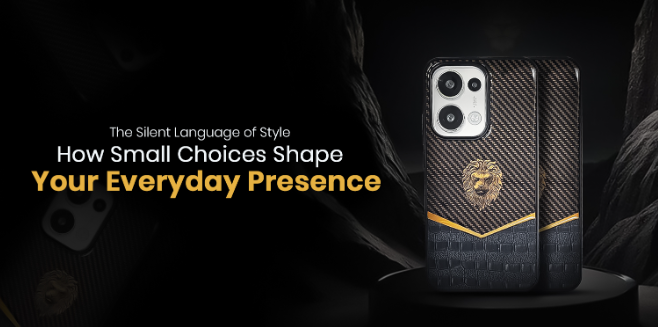
Style often feels like a surface-level concept. Clothes, colors, silhouettes, trends. But real style starts deeper. It begins with intention—the quiet decisions people make every day without announcing them.
The most revealing style choices rarely shout. They whisper.
One of those overlooked choices sits in your hand for hours every day: your phone case.
Most people don’t think of phone cases as part of personal style. They see them as practical shields, necessary but forgettable. Yet in a world where smartphones appear in nearly every social interaction, creative moment, and workday ritual, that small accessory quietly shapes how others perceive us—and how we perceive ourselves.
Style Is No Longer Just What You Wear
Modern style has expanded beyond wardrobes. It now includes everything visible in daily life: laptops, notebooks, eyewear, water bottles, headphones, and yes—phones.
When someone places their phone on a café table, a meeting desk, or next to their outfit for a mirror photo, it becomes part of the visual narrative. A cracked or yellowed case disrupts that narrative. A clean, intentional design reinforces it.
StylistMind readers understand this intuitively. Style today is not about excess. It’s about alignment—when objects, habits, and aesthetics move in the same direction.
The Subconscious Language of Accessories
Accessories speak a quiet psychological language. They suggest how someone approaches life.
A bulky, overly aggressive phone case signals caution and function-first thinking. A fragile decorative case suggests aesthetic priority, sometimes at the cost of practicality. A thoughtfully designed, balanced case communicates something else entirely: awareness.
People who choose balanced accessories tend to value harmony. They want things that work well and look right. That mindset often extends beyond style into productivity, decision-making, and lifestyle choices.
This is why minimal, well-constructed phone cases have grown in popularity. They don’t demand attention. They earn it.
Everyday Objects as Identity Anchors
Identity doesn’t form only through big choices. It builds through repetition.
The objects people touch daily—phones, keys, wallets—anchor habits and self-perception. When those objects feel intentional, they subtly reinforce confidence and consistency.
A phone case that feels good in the hand, looks composed in any setting, and survives daily wear without damage contributes to that sense of control. It removes friction instead of adding it.
That’s where modern accessory brands have started shifting focus—from novelty to longevity.
Why “Good Enough” No Longer Feels Good Enough
The rise of aesthetic awareness on social platforms changed how people evaluate everyday items. Once users noticed how often phones appear in photos, videos, and workspaces, tolerance for low-quality accessories dropped.
People now ask different questions:
- Does this item age well?
- Does it match multiple environments?
- Does it feel intentional or temporary?
Phone cases, once replaced frequently, now need to last longer—both physically and visually.
Brands that understand this shift don’t chase loud trends. They refine essentials.
A New Standard for Phone Case Design
Modern phone cases succeed when they strike balance. They protect without bulk. They look refined without feeling fragile. They support daily life instead of interrupting it.
This design philosophy explains why understated, shock-resistant cases with clean finishes now dominate style-conscious circles. They adapt easily—from workdays to weekends, from casual outfits to professional settings.
CoversGen fits naturally into this category. Instead of pushing dramatic visuals, the brand focuses on structure, finish, and real-world usability. The designs feel calm, modern, and purposeful—qualities that resonate with people who think deeply about how objects fit into their lives.
Soft Power in Design Choices
There’s a concept in psychology called “soft power”—influence without force. Style works the same way.
A well-chosen phone case doesn’t announce itself. It supports the overall impression quietly. It complements outfits without competing. It looks appropriate in nearly any context.
This subtle adaptability explains why many people gravitate toward neutral palettes, matte finishes, and minimal detailing in accessories. These choices reduce decision fatigue and increase confidence.
CoversGen’s approach aligns with this thinking. The cases don’t rely on gimmicks. They rely on thoughtful construction and visual restraint.
Durability as a Form of Self-Respect
Replacing broken or worn-out items repeatedly creates background stress. It signals compromise.
Durable accessories, on the other hand, reflect self-respect. They say, “I choose things that support my pace of life.”
A phone case that absorbs daily drops, protects edges, and retains its appearance over time reduces friction. It becomes something you stop worrying about—and that freedom matters.
This practical durability, when paired with clean aesthetics, feels especially relevant in today’s fast-moving lifestyles.
Minimalism Isn’t About Less—It’s About Better
Minimalism often gets misunderstood as austerity. In reality, it’s about selecting better versions of essential things.
A minimalist phone case isn’t plain. It’s deliberate. It removes distractions while enhancing function.
That philosophy mirrors how many people now curate wardrobes, workspaces, and digital environments. They favor fewer items with higher relevance.
CoversGen’s designs fit easily into this mindset. They don’t demand attention; they earn trust over time.
Style That Adapts Instead of Ages
Trends age quickly. Good design adapts.
Accessories that rely heavily on seasonal visuals or novelty elements often feel outdated within months. In contrast, clean, functional designs remain relevant because they integrate smoothly into changing personal styles.
Phone cases that follow this principle stay useful longer—not just structurally, but aesthetically like these vivo v60 cases.
This adaptability matters for people who view style as evolving, not disposable.
The Quiet Confidence of Intentional Choices
Confidence doesn’t always come from bold statements. Often, it comes from knowing that every small choice aligns with who you are.
Choosing a phone case that balances protection, comfort, and design may seem minor. Yet those minor choices accumulate. They shape routines, self-image, and even how others experience your presence.
That’s why thoughtful accessory brands continue gaining loyalty—not through loud marketing, but through consistent delivery.
Closing Thought
Style lives in the details people touch every day. Phone cases may seem small, but they occupy a large part of modern life—visually, physically, and psychologically.
When an object blends seamlessly into daily routines while quietly enhancing them, it earns its place. Brands that understand this don’t chase attention. They design for real life.
And in that quiet space between function and aesthetics, intentional choices begin to stand out.